Your Out-of-State Conviction Just Reached Ohio Through CDLIS
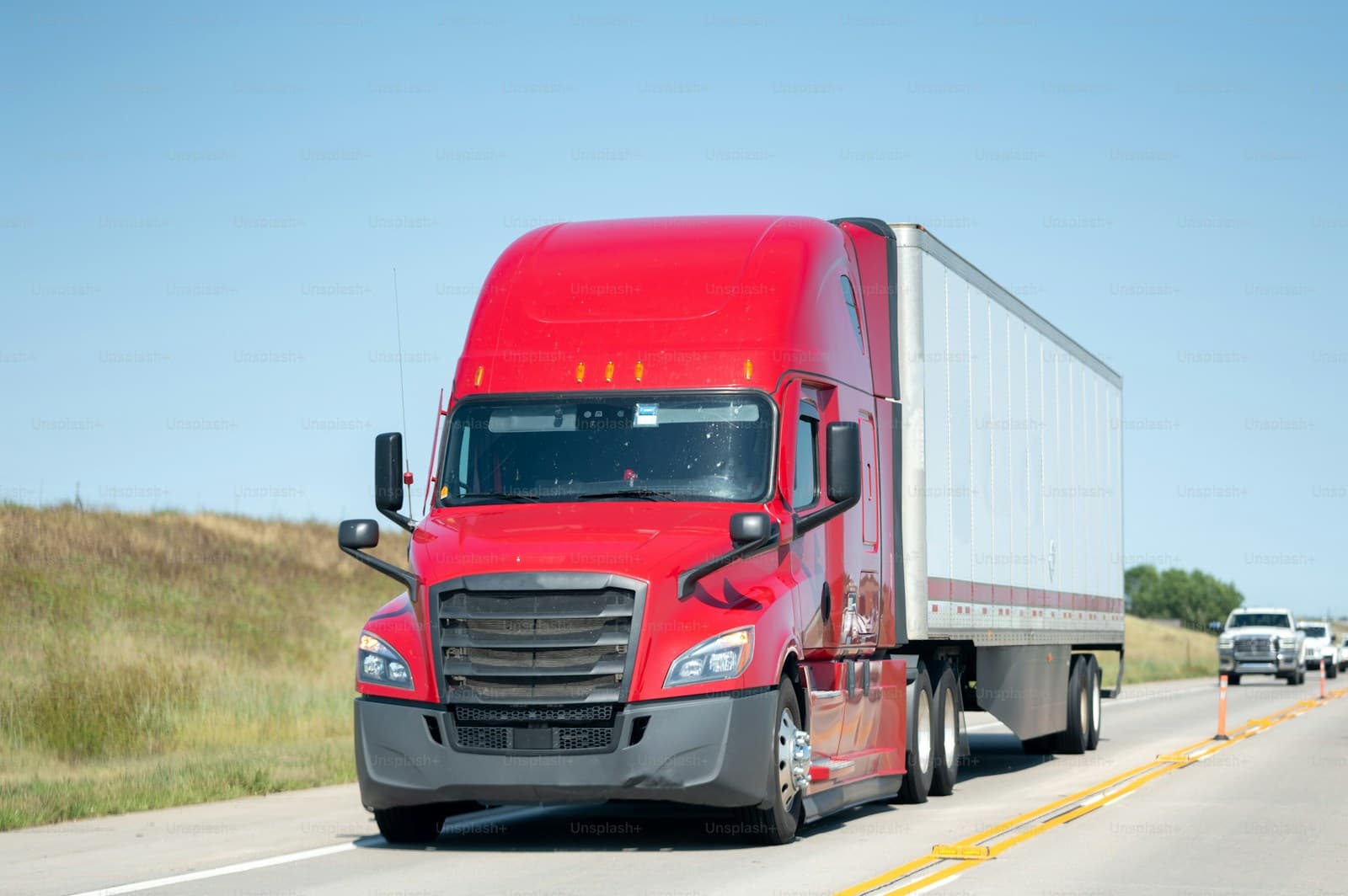
You received an OVI conviction in another state while driving your personal vehicle, not your commercial rig. The conviction state processed it as a regular DUI on your personal license. Weeks later, Ohio BMV sent you a notice: your CDL is disqualified for one year under federal law. The conviction state never touched your CDL, but Ohio suspended your commercial driving privileges anyway.
This happens because the Commercial Driver License Information System (CDLIS) is a federal database that reports all alcohol, drug, and serious traffic violations to every state where you hold any license. When you were convicted in the other state, that state reported the violation to CDLIS. Ohio BMV receives the CDLIS report and applies the federal disqualification rules codified in 49 CFR Part 383. The disqualification is automatic regardless of which vehicle you were driving when arrested.
Compare car insurance rates in your state
Get quotes from licensed carriers — no obligation, no spam, results in minutes.
Get Your Free QuoteFederal CDL Disqualification Period
1 year
First-offense alcohol or controlled substance violation in any vehicle triggers a mandatory one-year commercial driving disqualification under 49 CFR 383.51. Second offense results in lifetime disqualification. Ohio has no discretion to shorten this federal minimum.
49 CFR Part 383.51
How CDLIS Reporting Works Across State Lines
CDLIS is the federal reporting backbone for all commercial drivers. Every state DMV uploads convictions for alcohol, drugs, refusals, serious traffic offenses, and out-of-service violations to the national database within 10 days of conviction. Every state where you hold a license pulls that data and applies its own disqualification rules, which must meet or exceed federal minimums.
The conviction state processed your OVI as a personal-vehicle DUI. You paid fines, completed DIP if required, and filed SR-22 to reinstate your regular license in that state. But CDLIS flagged the conviction type — alcohol-related — and reported it to Ohio as a disqualifying event for CDL purposes. Ohio BMV does not re-adjudicate the conviction. It reads the CDLIS record, confirms the violation type matches a federal disqualification category, and applies the penalty.
This system eliminates the state-by-state variance that previously allowed commercial drivers to hide violations by moving or holding licenses in multiple states. Before CDLIS, a driver could be disqualified in one state and still drive commercially in another. The federal mandate closed that gap. If you hold a CDL in Ohio and commit a disqualifying offense anywhere in the United States, Ohio will know within days and will apply the federal disqualification automatically.
The Driver License Compact (DLC) operates alongside CDLIS for personal license suspensions. Ohio is a DLC member, meaning your out-of-state OVI conviction also triggers a home-state administrative suspension on your regular Ohio license under ORC 4510.037. You now face two separate actions: a DLC-triggered suspension on your personal license and a CDLIS-triggered disqualification on your CDL. They run on parallel tracks with different reinstatement requirements.
The federal one-year CDL disqualification begins the day Ohio BMV receives the CDLIS report, not the day of your out-of-state conviction. That lag can cost you weeks of commercial driving before the disqualification notice arrives.
What Ohio Requires Before CDL Reinstatement
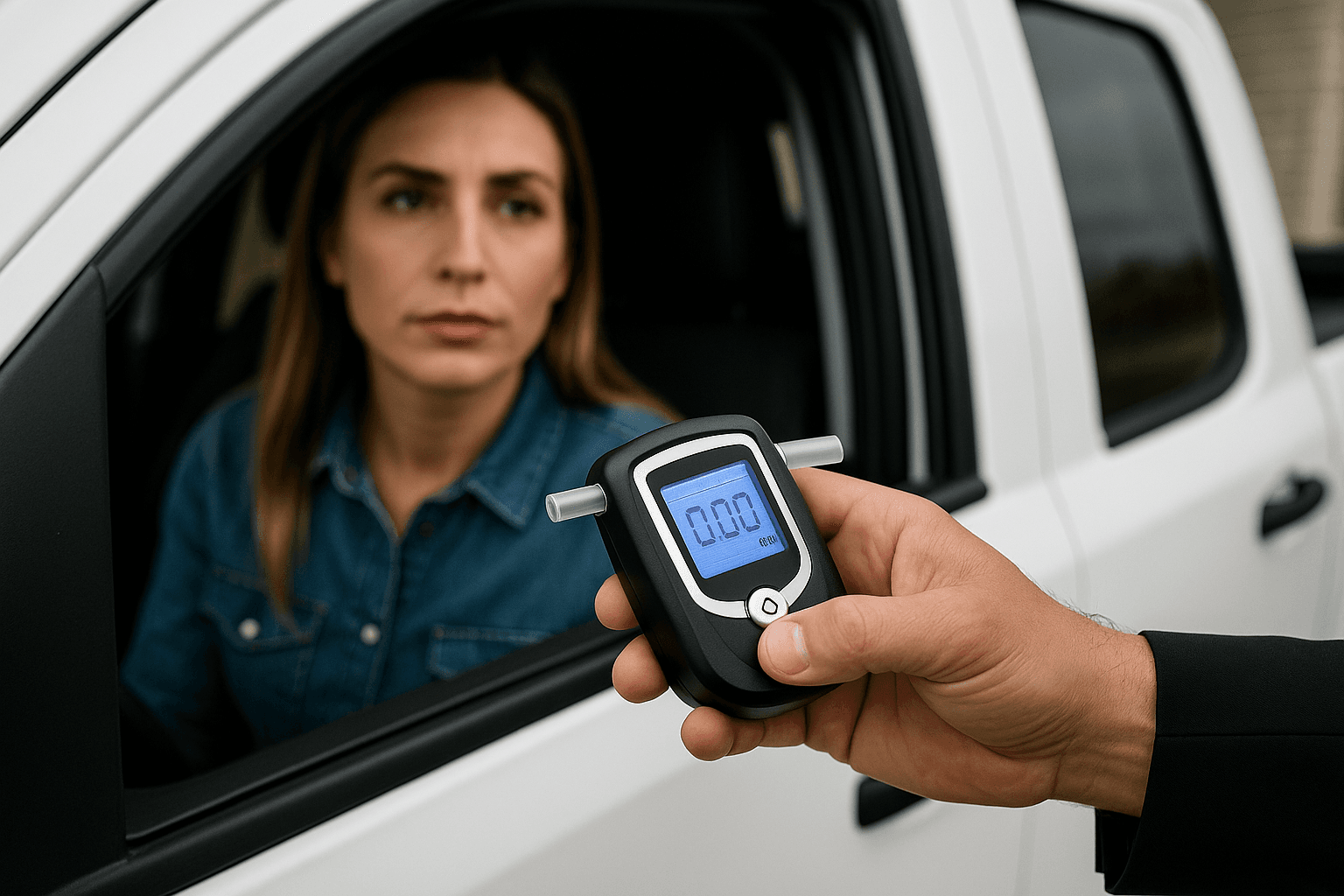
The federal one-year disqualification runs from the date Ohio BMV processes the CDLIS report. You cannot shorten this period. No hardship provisions exist for CDL holders facing alcohol or drug disqualifications under federal law. Occupational driving privileges granted by an Ohio court for personal driving do not restore your commercial privileges. The federal ban applies to all commercial motor vehicle operation nationwide, and no state can override it.
After the one-year federal disqualification expires, you must separately clear Ohio's home-state administrative suspension triggered by the DLC-reported out-of-state OVI. Ohio Revised Code 4510.037 requires completion of a state-approved Driver Intervention Program, payment of the $475 reinstatement fee, and proof of SR-22 insurance filed for three years from the conviction date. Only after Ohio BMV lifts the administrative suspension on your personal license can you apply to reinstate your CDL. The conviction state does not control your Ohio reinstatement — Ohio BMV does.
Related Articles



SR-22 Filing Requirements for CDL Holders
Ohio requires SR-22 proof of financial responsibility for three years after an OVI conviction, even when the conviction occurred out of state. The SR-22 must be filed by a carrier licensed to write insurance in Ohio and must cover the minimum liability limits: $25,000 per person, $50,000 per accident for bodily injury, and $25,000 for property damage. Your carrier reports the filing electronically to Ohio BMV, and any lapse triggers immediate re-suspension.
Most commercial drivers maintain personal auto insurance for their personal vehicle and separate commercial liability coverage through their employer or as owner-operators. The SR-22 filing typically attaches to your personal auto policy, not your commercial policy. If you do not own a personal vehicle, you can file a non-owner SR-22 policy that meets Ohio's liability minimums without insuring a specific car. This allows you to satisfy the SR-22 requirement even if you only drive commercially.
The SR-22 requirement applies to both your personal license reinstatement and your CDL reinstatement. You cannot reinstate the CDL without first clearing the personal license suspension, and you cannot clear the personal suspension without active SR-22 on file. Carriers writing SR-22 after OVI convictions typically classify you as high-risk, and monthly premiums range from $110 to $190 depending on age, county, and driving history beyond the OVI. Expect the SR-22 filing itself to add $25 to $50 per month to your base premium.
Ohio OVI Reinstatement Fee
$475
Ohio BMV charges $475 to reinstate driving privileges after an OVI-related suspension under ORC 4507.1612. This fee applies whether the OVI occurred in Ohio or out of state. Payment is required before your personal license or CDL can be reinstated.
Ohio Revised Code 4507.1612
Commercial Driving Eligibility After the Federal Ban Expires
Once the one-year federal disqualification expires and you clear Ohio's administrative suspension by completing DIP, filing SR-22, and paying the reinstatement fee, you may apply to reinstate your CDL. Ohio BMV does not automatically restore commercial driving privileges. You must submit a CDL reinstatement application, provide proof that all suspensions are lifted, and in some cases retake the CDL knowledge and skills tests if your CDL has been expired for more than two years.
Employers run MVR checks before hiring commercial drivers, and the OVI conviction remains on your driving record. The CDLIS conviction appears on your national CDL record indefinitely. Most motor carriers have policies excluding drivers with alcohol-related convictions within the past three to five years, regardless of whether the disqualification period has ended. Owner-operators face increased commercial liability insurance premiums after an OVI, and some insurers will not write coverage at all for drivers with recent alcohol convictions. Expect your employability and insurance costs to remain elevated for years beyond the formal reinstatement.
What to Do If You Hold a CDL and Face an Out-of-State Conviction
If you are currently facing an out-of-state OVI charge and hold an Ohio CDL, the conviction will reach Ohio through CDLIS within 10 days of final disposition. Delaying the conviction or attempting to resolve it in a way that avoids alcohol-related findings is the only path to avoiding the federal CDL disqualification. Some states offer diversion programs or reduced charges for first offenders that may not trigger CDLIS reporting, but these programs vary widely and are not available in all jurisdictions.
Once the conviction is final, you cannot appeal the federal disqualification. The one-year ban is mandatory under federal law, and Ohio BMV has no discretion to waive it. You can begin the Ohio reinstatement process immediately by enrolling in a Driver Intervention Program and filing SR-22, but your CDL will remain disqualified until the full year expires. Use that time to complete all Ohio requirements so that you can apply for CDL reinstatement the day the federal ban lifts. Compare Ohio SR-22 carriers that write high-risk policies and file electronically to avoid delays in your reinstatement timeline.