
The Michigan DLC Gap You're Counting On
You have a DUI suspension from Ohio, Illinois, or another DLC member state. You heard Michigan is one of five states that never joined the Driver License Compact, and you're planning to apply for a Michigan license thinking the suspension won't report. The immediate question: does Michigan's non-member status actually create a clean break from your out-of-state suspension, or does the suspension report through another channel?
Michigan is a DLC non-member alongside Wisconsin, Massachusetts, Tennessee, and Georgia. DLC membership requires automatic reporting and recognition of serious out-of-state convictions including DUI, reckless driving, and license-status fraud. Michigan opted out of that compact framework in the 1990s. The structural reality: Michigan does not receive automatic DLC electronic feeds from the other 45 member states, but that reporting gap is narrower than most drivers expect because Michigan participates in parallel systems that accomplish similar outcomes.
Compare car insurance rates in your state
Get quotes from licensed carriers — no obligation, no spam, results in minutes.
Get Your Free QuoteDLC Non-Member Count
5 states
Michigan, Wisconsin, Massachusetts, Tennessee, and Georgia are the only states that never joined the Driver License Compact. The other 45 states share conviction and suspension data through automated DLC electronic reporting.
AAMVA Driver License Compact membership roster
Where Michigan Gets Out-of-State Records Anyway
Michigan's Secretary of State (SOS) administers all driver licensing. The SOS pulls conviction and suspension records through three channels: direct state-to-state reciprocity agreements with high-traffic border states, AAMVA's Problem Driver Pointer System (PDPS) which shares suspension flags across all 51 jurisdictions, and CDLIS for commercial drivers. The PDPS is a national query system that flags active suspensions and revocations in other states when a driver applies for a new license or renewal. Michigan queries PDPS at application, so an Ohio DUI suspension appears even without DLC reporting.
The direct reciprocity agreements matter most for neighboring states. Michigan has formal data-sharing arrangements with Ohio, Indiana, and Illinois covering DUI convictions, habitual offender adjudications, and failure-to-maintain-insurance suspensions. These agreements operate outside DLC and produce the same practical outcome: the conviction reports to Michigan SOS, and Michigan imposes home-state consequences under Michigan's point system and revocation statutes.
CDLIS is the federal Commercial Driver License Information System. If you hold or have ever held a CDL, your driver record is reported through CDLIS regardless of whether the states involved are DLC members. A California DUI conviction on a CDL holder reports to Michigan SOS within days through the federal channel. The DLC gap does not apply to commercial drivers at all.
Michigan's DLC non-membership delays automatic reporting from most states, but PDPS flags active suspensions at application and CDLIS reports CDL violations federally regardless of compact status.
When the Michigan DLC Gap Actually Helps
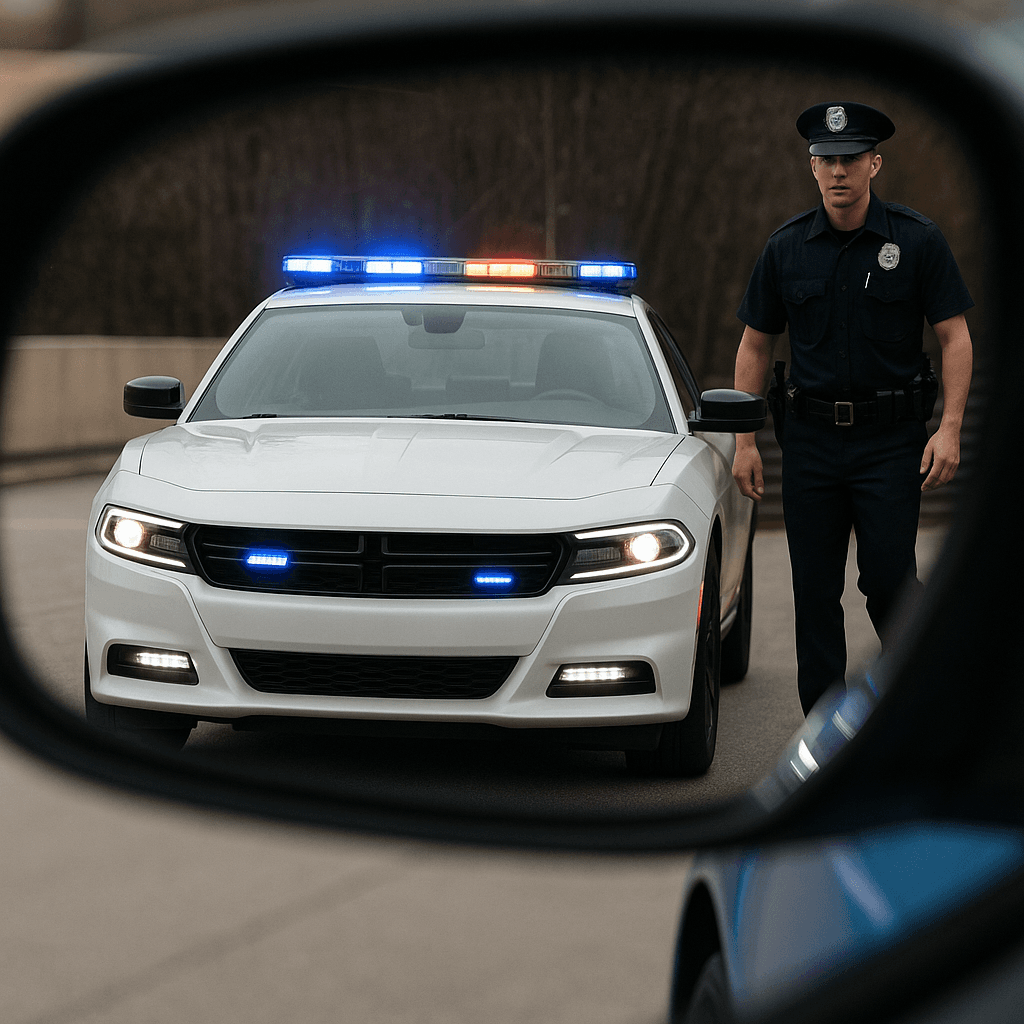
If you are a current Michigan resident with a valid Michigan license and you receive a DUI conviction in Florida, the conviction does not report automatically through DLC because Michigan is not a member. Florida reports the conviction through DLC to the other 44 DLC member states, but Michigan is not on that feed. The conviction appears in Florida's records and PDPS flags the Florida suspension, but Michigan SOS does not receive a proactive electronic notification the way an Ohio or Indiana conviction would trigger. The gap lasts until your next Michigan license renewal, when SOS queries PDPS and discovers the Florida suspension flag.
The second scenario: minor violations below the PDPS reporting threshold. PDPS primarily shares major suspensions and revocations. A single speeding ticket or minor traffic infraction from a DLC member state may not appear in PDPS and may never report to Michigan SOS. The DLC gap is real for these low-level violations. It does not apply to DUI, reckless driving, or any suspension-triggering conviction because those always appear in PDPS.
Related Articles




What Happens When You Apply for a Michigan License Mid-Suspension
You move to Michigan while suspended in another state and apply for a Michigan license. Michigan SOS queries PDPS at application. The PDPS query returns the active suspension flag from the other state. Michigan statute MCL 257.208 prohibits issuing a license to any person whose license is suspended or revoked in another jurisdiction. SOS denies the application and instructs you to resolve the out-of-state suspension first, then reapply.
The reinstatement pathway splits across two states. You must satisfy the suspending state's reinstatement requirements: pay the reinstatement fee, complete any required substance abuse evaluation or driver improvement course, file SR-22 if required, and petition for reinstatement. Once the suspending state lifts the suspension, that lift reports to PDPS. Michigan SOS queries PDPS again at your next application, sees the clear record, and processes the Michigan license application normally.
The timeline creates friction. Ohio requires SR-22 filing for three years from the reinstatement date. You reinstate your Ohio license, move to Michigan, and apply for a Michigan license. Michigan issues the license but does not require SR-22 because Michigan is not a DLC member and does not automatically impose continuing SR-22 requirements from other states. You must maintain the Ohio SR-22 filing for the full three-year period to avoid re-suspension in Ohio, but Michigan does not enforce that requirement on your Michigan license. If Ohio re-suspends you for SR-22 lapse, that new suspension reports through PDPS and Michigan revokes your Michigan license under MCL 257.208.
Michigan Reinstatement Fee
$125
Michigan's base reinstatement fee applies when SOS lifts an administrative suspension. Judicial revocations for repeat OWI require DAAD hearing fees on top of the base reinstatement fee, typically adding another $200 to $450 depending on the appeal tier.
Michigan Secretary of State fee schedule
The SR-22 Complication Across State Lines
SR-22 filing requirements follow the suspending state's statute, not the residing state. Ohio suspends you for DUI and requires SR-22 for three years. You move to Michigan and reinstate your Ohio license by filing Ohio SR-22 through a carrier licensed in Ohio. Michigan does not require SR-22 for the same conviction because Michigan did not suspend you. The filing obligation runs parallel: you maintain Ohio SR-22 to keep your Ohio reinstatement valid, and you carry Michigan no-fault insurance to comply with Michigan's financial responsibility statute MCL 257.328.
The cost layers. Ohio SR-22 typically adds $15 to $50 annually to your Ohio policy premium, and you must maintain continuous Ohio coverage even though you no longer live there. Michigan no-fault insurance runs separately with minimum PIP coverage requirements post-2020 reform. You are paying for two policies or one Michigan policy that also satisfies Ohio SR-22 if the Michigan carrier is licensed in Ohio and willing to file cross-state SR-22. Not all Michigan carriers file SR-22 for out-of-state reinstatements. Progressive, GEICO, and National General write Michigan coverage and file SR-22 cross-state; Auto-Owners and Automobile Club of Michigan typically do not.
Move to Michigan Now or Wait Until Reinstatement
Moving to Michigan before resolving the out-of-state suspension does not bypass the suspension. PDPS flags your record at Michigan license application, and Michigan denies the license under MCL 257.208 until the other state lifts. You are left without a valid license in either state until you complete the suspending state's reinstatement process. The only advantage: Michigan's restricted license program (Michigan uses the term restricted license, not hardship license) does not apply to out-of-state suspensions. You cannot obtain a Michigan restricted license to drive while your Ohio or Illinois suspension is active because Michigan statute ties restricted license eligibility to Michigan-imposed suspensions only.
The better sequence: reinstate in the suspending state first, obtain proof of reinstatement from that state's DMV, then apply for a Michigan license after the suspension lifts. Michigan SOS queries PDPS, sees the clear record, and processes your Michigan application without additional penalty. If the suspending state requires SR-22, maintain that SR-22 filing for the full required period even after you obtain your Michigan license, because SR-22 lapse in the original state triggers re-suspension and PDPS reports that new suspension to Michigan immediately.