Minimum Coverage Requirements in Colorado
Colorado is a tort state requiring 25/50/15 minimum liability coverage—$25,000 per person for bodily injury, $50,000 per accident for bodily injury, $15,000 for property damage. Colorado participates in both the Driver License Compact and the Non-Resident Violator Compact, meaning convictions reported from member states trigger home-state action, and Colorado reports your Colorado convictions to your home state if you hold an out-of-state license. The Colorado Division of Motor Vehicles coordinates suspension enforcement and reinstatement through interstate data-sharing systems.
Meeting the state minimum keeps you legal. See whether it's enough — get your Colorado quote.
Get your Colorado quoteHow Much Does Car Insurance Cost in Colorado?
Colorado rates for drivers with out-of-state suspensions reflect both the originating violation and Colorado's high uninsured driver rate. Carriers writing cross-state SR-22 policies in Colorado typically charge 50–90% above standard rates, with the widest increases in metro areas where accident frequency is highest.
What Affects Your Rate
- Out-of-state DUI reported through DLC increases premiums 60–90% in Colorado for the first 3 years post-conviction.
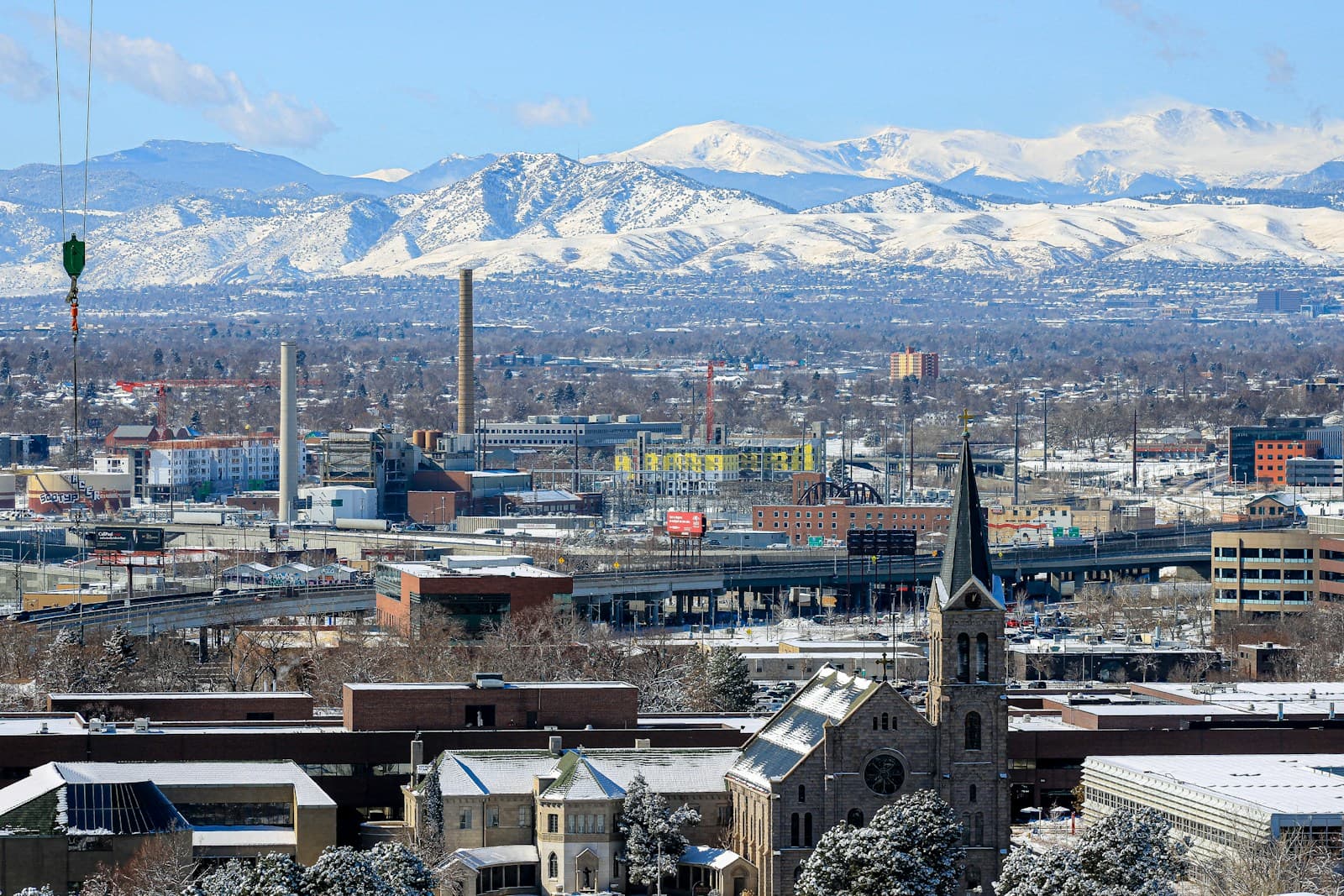
- Denver metro ZIP codes see rates 15–25% higher than rural counties due to accident density and uninsured driver concentration.
- Colorado requires carriers to offer PIP (medical payments coverage), which many high-risk underwriters bundle automatically, adding $15–$35/month to premiums.
- Non-standard carriers writing cross-state SR-22 policies in Colorado include Progressive, Acceptance, The General, and National General—rate spreads between them can exceed $80/month for identical coverage.
- Colorado imposes reinstatement fees ranging from $95 for points-based suspensions to $500 for DUI-related revocations—these are separate from insurance costs but due simultaneously at reinstatement.
Compare car insurance rates in your state
Get quotes from licensed carriers — no obligation, no spam, results in minutes.
Get Your Free QuoteCoverage Types
Cross-State SR-22 Insurance
SR-22 is not insurance—it's a filing your carrier submits to prove continuous coverage. Colorado accepts SR-22 from out-of-state carriers licensed to write in the originating state, but both states must receive timely filing to lift holds.
Non-Owner SR-22 Coverage
Non-owner policies provide liability coverage when you drive vehicles you don't own. Required for license reinstatement when you don't have a titled vehicle but need SR-22 filing to satisfy state requirements.
Uninsured Motorist Coverage
Covers your medical bills and vehicle damage when an at-fault driver has no insurance. Colorado's uninsured driver rate is approximately 13%, one of the highest in the Mountain West.
Interstate Compact Driver Coverage
Specialty policies designed for drivers navigating DLC or NRVC reporting requirements across multiple states. Covers dual SR-22 filing, reinstatement coordination, and compliance verification in both the suspending and residing state.