
The Cross-State Reporting Gap
You were arrested for DUI in Georgia while holding a valid Florida driver's license. Georgia processed the conviction, issued fines and court requirements, but never suspended your Georgia driving privileges because you do not hold a Georgia license. Instead, Georgia reported the conviction to Florida through the Non-Resident Violator Compact. Florida received that report and imposed a suspension on your home-state license under Driver License Compact rules.
This creates a structural confusion most drivers do not expect. Georgia is a NRVC member but not a DLC member. Florida is both a NRVC and DLC member. The two compacts serve different purposes and trigger different state actions. NRVC ensures ticket resolution and conviction reporting across state lines for traffic violations. DLC requires member states to recognize and act on out-of-state convictions for serious offenses including DUI. Georgia uses NRVC to report your conviction to Florida. Florida uses DLC to impose home-state consequences on that Georgia conviction.
Compare car insurance rates in your state
Get quotes from licensed carriers — no obligation, no spam, results in minutes.
Get Your Free QuoteFlorida DMV Suspension Notice Window
10 business days
Florida typically mails suspension notice within 10 business days of receiving the Georgia conviction report through NRVC. Your suspension effective date starts from the date printed on that notice, not the Georgia conviction date.
Florida Department of Highway Safety and Motor Vehicles
How NRVC and DLC Interact
The Non-Resident Violator Compact governs how states handle citations issued to out-of-state drivers. When you receive a DUI citation in Georgia while holding a Florida license, Georgia prosecutes the case locally. Once convicted, Georgia reports the conviction to Florida through NRVC reporting channels maintained by AAMVA driver record exchange systems. Georgia does not suspend your driving privileges because you do not hold a Georgia license to suspend.
Florida receives the conviction report and evaluates it under Driver License Compact rules. Florida is a DLC member. DLC requires Florida to treat your Georgia DUI conviction as if it occurred in Florida and impose the same home-state suspension Florida would apply to a Florida DUI. Florida does not have discretion to ignore the conviction. DLC membership obligates Florida to act.
Georgia's non-DLC-member status means Georgia does not reciprocally recognize Florida suspensions for Georgia-resident drivers. The reporting relationship is one-way in this state pair. Georgia reports your conviction to Florida through NRVC. Florida suspends you under DLC. Georgia does not suspend Georgia residents based on Florida convictions because Georgia is not bound by DLC to do so.
Florida will suspend your license for the Georgia DUI even though Georgia never suspended you. The suspension comes from your home state, not the conviction state.
Florida's Home-State Suspension Process

Florida imposes a six-month suspension for a first DUI conviction and a five-year suspension for a second DUI within five years of the first. If the Georgia conviction is your first DUI, Florida suspends you for six months from the notice date. If you have a prior Florida DUI or a prior out-of-state DUI that Florida previously recorded, the Georgia conviction counts as your second and triggers the five-year period. Florida counts all DUI convictions reported through DLC or NRVC when calculating your offense count.
Reinstatement requires you to complete DUI school, pay a reinstatement fee of $475 for a first offense or $775 for a second offense, and file an SR-22 certificate with Florida for three years from reinstatement. Florida does not accept Georgia DUI school completion for this requirement. You must complete a Florida-licensed DUI school program or an online provider approved by Florida's Department of Highway Safety and Motor Vehicles. Georgia's court-ordered DUI classes satisfy Georgia's criminal case requirements but do not satisfy Florida's administrative license reinstatement requirements.
Related Articles
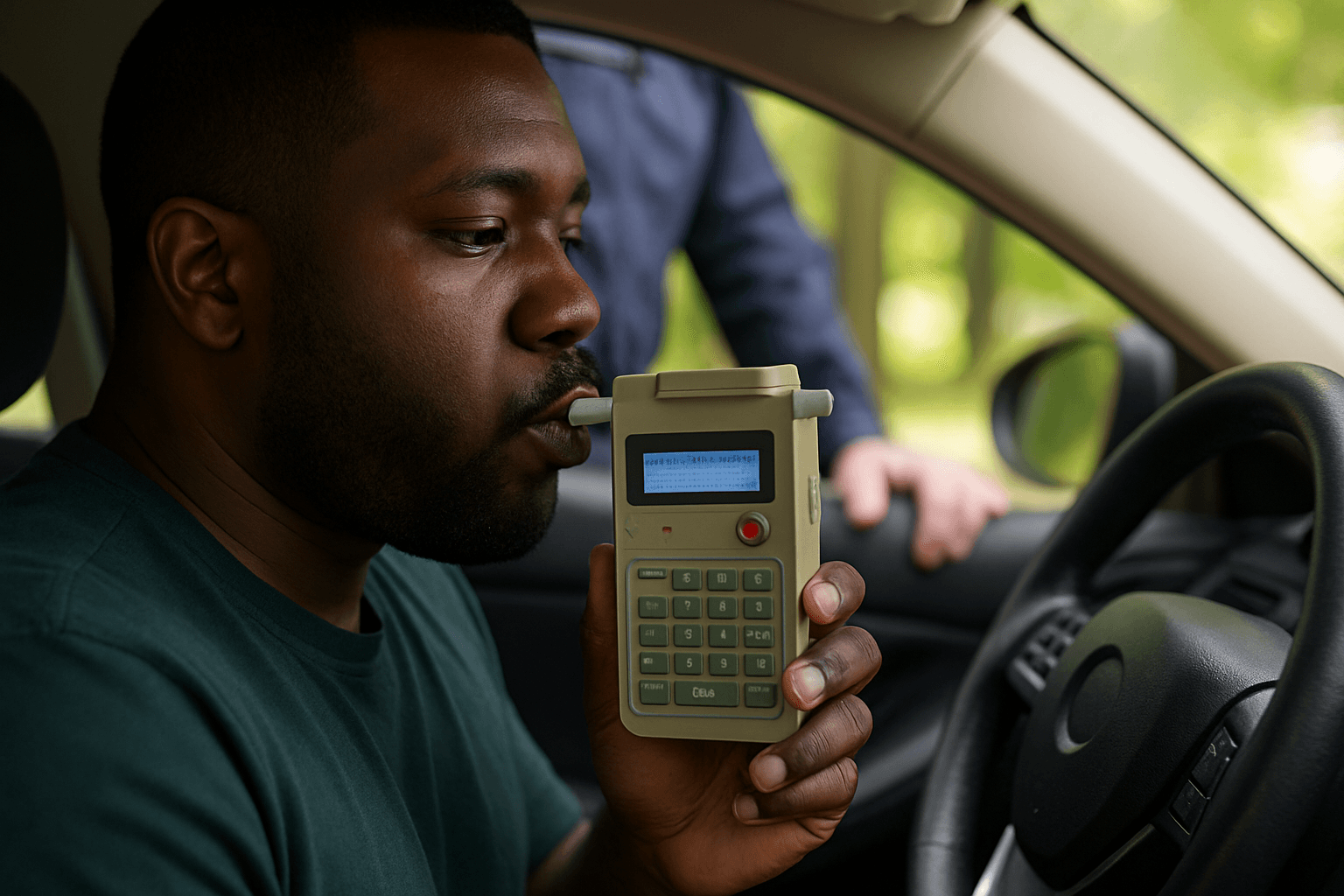





Why Georgia DUI School Does Not Transfer
Georgia's court may order you to complete a DUI Risk Reduction Program as part of your criminal sentence. That program satisfies Georgia's criminal case requirements and allows you to reinstate Georgia driving privileges if you held a Georgia license. Florida's administrative suspension operates independently of Georgia's criminal case.
Florida requires completion of a Florida-licensed DUI school to lift the administrative suspension Florida imposed on your Florida license. Florida does not recognize out-of-state DUI school completion for reinstatement purposes. You must enroll in a program licensed by Florida or an online provider approved by Florida DHSMV. The Florida DUI school requirement is separate from any Georgia court-ordered programs.
This dual-program requirement catches most drivers by surprise. You complete Georgia's program to satisfy the criminal case. You complete Florida's program to reinstate your Florida license. The Georgia program does not substitute for the Florida program even though both cover similar content. Florida controls its own reinstatement requirements and does not delegate that authority to the conviction state.
Florida DUI Reinstatement Fee Range
$475–$775
Florida charges $475 for first-offense DUI reinstatement and $775 for second or subsequent offenses. The fee applies regardless of where the conviction occurred. Payment is required before Florida will issue a new license.
Florida Statutes §322.271
SR-22 Filing Across State Lines
Florida requires you to maintain SR-22 insurance for three years following reinstatement. The SR-22 is a certificate filed by your insurance carrier with Florida DHSMV certifying you carry at least Florida's minimum liability coverage. Florida accepts SR-22 filings from carriers licensed to do business in Florida even if you reside in another state during the filing period.
If you moved back to Florida after the Georgia arrest, you file SR-22 with a Florida-licensed carrier and maintain Florida registration. If you remain in Georgia or move to a third state during the suspension period, the process becomes more complex. Florida still requires the SR-22 filing, but you may hold a driver's license issued by your new residing state once Florida lifts the suspension. You maintain the Florida SR-22 filing for the full three-year period regardless of where you live. Allowing the SR-22 to lapse triggers automatic re-suspension of your Florida driving privileges even if you no longer hold a Florida license.
What to Do Right Now
Contact Florida DHSMV to confirm your suspension status and obtain the specific reinstatement requirements letter. The letter lists your suspension effective date, suspension period, required fees, and DUI school completion deadline. Enroll in a Florida-licensed DUI school immediately. Programs are available online for out-of-state residents. Complete the program before your suspension period ends.
Request an SR-22 insurance quote from carriers licensed in Florida. Many carriers offer non-owner SR-22 policies if you do not own a vehicle or if you currently reside outside Florida. The non-owner policy satisfies Florida's SR-22 requirement and provides liability coverage when you drive a vehicle you do not own. Compare rates across multiple carriers. SR-22 filings do not cost extra beyond the higher premium for high-risk classification.
Pay the reinstatement fee once your suspension period ends and DUI school is complete. Florida will not process reinstatement until all three requirements are met: suspension period served, DUI school certificate submitted, SR-22 on file, and fee paid. Processing typically takes 5 to 10 business days after Florida receives all documentation. Your Florida driving privileges remain suspended until Florida processes reinstatement even if the suspension period has expired.