
The Reporting Window After an Alaska Violation
You were cited or convicted for DUI, reckless driving, or another serious moving violation in Alaska while holding a license from another state. The court processed your case, you paid the fine or completed sentencing, and you flew home. Nothing has appeared on your home-state driving record yet. You check your DMV portal every few days. Still clear. The silence feels like reprieve, but it is actually a countdown you cannot see.
Alaska participates in the Driver License Compact, which requires member states to report out-of-state convictions for DUI, reckless driving, fleeing an officer, and other serious violations to the driver's home state within a reasonable timeframe. Alaska DMV reports these convictions electronically through the AAMVA driver record exchange system. The reporting window from conviction date to home-state receipt typically runs 7 to 21 business days, but Alaska's geographic isolation, staffing constraints at rural district court offices, and manual data-entry steps at Anchorage and Fairbanks DMV headquarters can stretch that window unpredictably. Your home state does not act until it receives the report. Once it does, home-state suspension procedures begin immediately.
Compare car insurance rates in your state
Get quotes from licensed carriers — no obligation, no spam, results in minutes.
Get Your Free QuoteAlaska DLC Report Window
7–21 business days
Alaska DMV transmits out-of-state conviction data to home states through AAMVA's electronic driver record exchange within this window measured from the court's final disposition date. Rural court offices in bush Alaska may add 5-10 days to the front end due to mail and manual data-entry delays before the conviction reaches DMV headquarters in Anchorage.
Alaska Division of Motor Vehicles; AAMVA Driver License Compact reporting protocols
What Alaska Reports and What Triggers Home-State Action
Alaska reports convictions, not citations. The DLC reporting obligation attaches when the court enters a final conviction or when you plead guilty or no contest and the court accepts the plea. If you were cited but the case is still pending, or if you are contesting the charge and no conviction has been entered, Alaska has nothing to report yet. The moment the court finalizes the conviction, the reporting clock starts.
DLC-reportable violations include DUI and operating while intoxicated under any Alaska statute, reckless driving under AS 28.35.400, fleeing or attempting to elude a police officer, any traffic offense resulting in a fatality, driving while license suspended or revoked, and making a false statement to DMV regarding insurance or identity. Alaska also reports some non-DUI alcohol-related violations such as refusal to submit to a breath test under the implied consent law (AS 28.35.031), which carries an administrative license revocation separate from any criminal DUI charge.
Your home state receives the conviction data as a structured electronic record containing the offense code, conviction date, court jurisdiction, and disposition. Most DLC member states treat out-of-state DUI convictions as if they occurred in-state, meaning your home DMV will impose the same suspension period, reinstatement requirements, and SR-22 filing obligations that apply to residents convicted of DUI locally. If your home state is a non-DLC member (Wisconsin, Massachusetts, Michigan, Tennessee, Georgia), Alaska still reports the conviction through AAMVA's parallel driver record exchange, but your home state has discretion over whether to impose reciprocal suspension. Most non-DLC states still act on out-of-state DUI convictions even without formal DLC membership.
Your home state will not notify you before suspending. The suspension order is mailed after processing, which means you can be legally suspended days or weeks before the letter arrives.
How the Two-State Timeline Actually Works
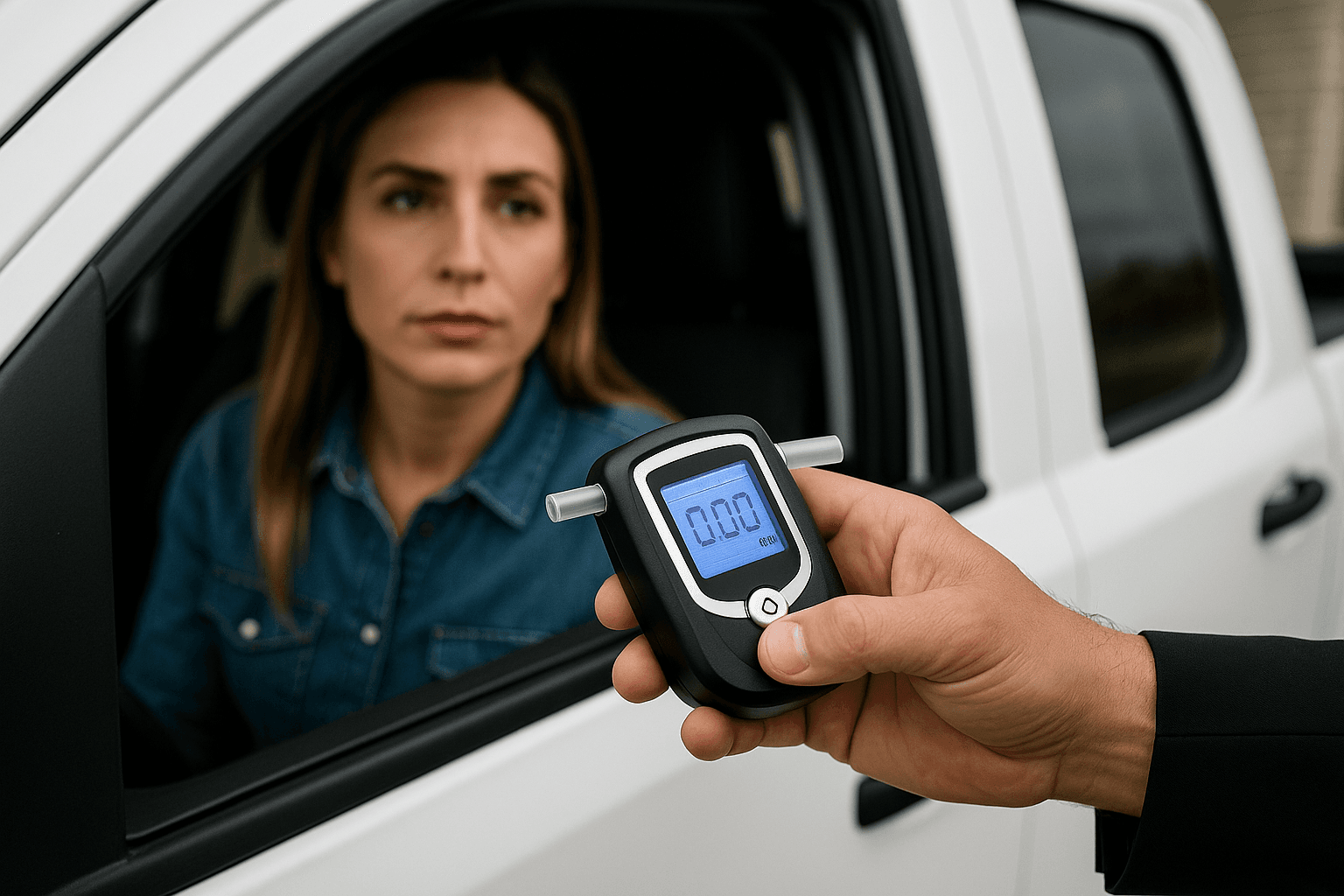
Alaska's timeline begins when the district court clerk enters the final conviction into the Alaska Court System database. Courts in Anchorage, Fairbanks, and Juneau typically transmit conviction data to Alaska DMV headquarters electronically within 3 to 5 business days. Courts in rural and bush Alaska communities (Bethel, Nome, Kotzebue, Barrow) rely on mail and manual data entry, which can add 7 to 14 days before the conviction reaches DMV. Once DMV receives the conviction data, staff verify the driver's out-of-state license number and home state, then queue the record for transmission through AAMVA. That step adds another 2 to 7 business days depending on backlog at the Anchorage DMV data center.
Your home state's timeline begins when its DMV receives the electronic conviction record from Alaska. Most states process incoming DLC reports within 5 to 10 business days, adding the conviction to your driving record and triggering an automated review for suspension eligibility. If the conviction meets your home state's suspension criteria (which it will for DUI, reckless driving, and most other Alaska-reportable offenses), the DMV generates a suspension order and mails it to the address on file. That mailing can take another 5 to 10 business days to reach you. By the time you receive the letter, the suspension effective date has often already passed. Some states impose suspension immediately upon processing the out-of-state conviction; others provide a short grace period (10 to 30 days) before the suspension takes effect, but that grace period starts from the date the DMV processes the report, not the date you receive the letter.
Related Articles





The Geographic Isolation Factor in Alaska Reporting
Alaska's road network is highly fragmented, with most communities accessible only by air or water. District courts in bush Alaska operate on schedules dictated by weather, air service availability, and staffing constraints. A conviction entered in Nome or Bethel may sit in the court's paper files for days before clerical staff can transmit it to Anchorage DMV headquarters. Alaska statute does not impose a specific deadline for courts to report convictions to DMV, only that reporting occur within a reasonable time. In practice, that flexibility creates variability.
DMV staffing at the Anchorage headquarters processes DLC reporting for the entire state. When conviction volume is high (summer months see elevated DUI arrests linked to tourism and seasonal employment), processing backlogs extend. Budget constraints and turnover in DMV clerical positions compound the problem. A conviction that would be reported in 7 business days during low-volume winter months may take 21 business days during peak summer processing periods.
Drivers holding licenses from West Coast states (California, Washington, Oregon) or neighboring Canadian provinces sometimes assume Alaska's remote location insulates them from home-state consequences. It does not. AAMVA's electronic driver record exchange operates identically whether the reporting state is Alaska or Arizona. The delay is in Alaska's internal processing, not in the transmission itself. Once Alaska transmits the conviction data, your home state receives it within 24 to 48 hours.
Home-State Processing Lag After Report
10–30 days
Most DLC member states process incoming Alaska conviction reports and issue suspension orders within this window measured from the date the home DMV receives the electronic record. High-volume states like California, Texas, and Florida trend toward the longer end; smaller states with less backlog process faster. The suspension effective date often precedes the mailing of the suspension notice.
AAMVA Driver License Compact state processing timelines; state DMV administrative manuals
What Happens If You Drive During the Reporting Window
You are legally licensed in your home state until your home DMV processes the Alaska conviction and imposes suspension. The Alaska conviction does not suspend your home-state license automatically. If you drive during the 7 to 21 day reporting window and the subsequent 10 to 30 day home-state processing window, you are operating legally unless Alaska itself imposed an administrative license revocation (which applies only to your privilege to drive in Alaska, not your home-state license).
The danger is the gap between when your home state processes the suspension and when you receive written notice. If the suspension effective date is June 15 but the letter does not reach you until June 22, you are driving on a suspended license for those 7 days without knowing it. If you are stopped during that window, the officer's license check will show an active suspension. You will be cited for driving while license suspended, which is a separate criminal offense in most states and adds a second suspension on top of the original Alaska-triggered suspension. Some states impose mandatory jail time for driving while suspended after a DUI conviction.
Commercial drivers face federal CDLIS reporting in addition to state DLC reporting. Alaska reports commercial driver DUI convictions to the Federal Motor Carrier Safety Administration within 10 days of conviction under federal law. FMCSA updates CDLIS immediately, and your home state pulls that data when processing your CDL. The CDL disqualification period begins as soon as your home state processes the CDLIS report, which often happens faster than the DLC conviction report because CDLIS is a federal mandate with tighter timelines.
How to Confirm When the Report Was Sent and Received
Alaska DMV does not provide drivers with confirmation that an out-of-state conviction report was transmitted. You cannot call the Anchorage DMV office and ask for the transmission date. The conviction is reported as part of Alaska's routine DLC compliance obligations, and individual drivers are not notified. The only way to know the report was sent is to monitor your home-state driving record.
Order a copy of your driving record from your home state DMV immediately after your Alaska conviction is finalized. Most states allow you to order a certified driving record online for a fee of $5 to $15, delivered electronically within 24 to 48 hours or by mail within 7 to 10 business days. Check the record every 7 days during the expected reporting window. When the Alaska conviction appears on your home-state record, you know the DLC report was received and your home DMV will process suspension soon if it has not already. Some states display a pending review status on the online driving record portal before formally imposing suspension, giving you a narrow window to prepare.
If 30 days have passed since your Alaska conviction and the conviction still has not appeared on your home-state record, contact your home state DMV (not Alaska DMV) and ask whether any out-of-state conviction reports are pending for your license number. Do not volunteer details about the Alaska case. Simply ask if any pending updates exist. If your home state confirms a pending report but has not yet processed it, that is your signal to arrange SR-22 insurance and prepare for suspension before the order is issued.